Do Snakes Lay Eggs or Give Live Birth?
Some snakes hatch from eggs laid in a sheltered place. Others are born alive from their mother's body. Both strategies are normal for snakes, and the difference depends on the species rather than on whether a snake is dangerous, large or found in a particular country.
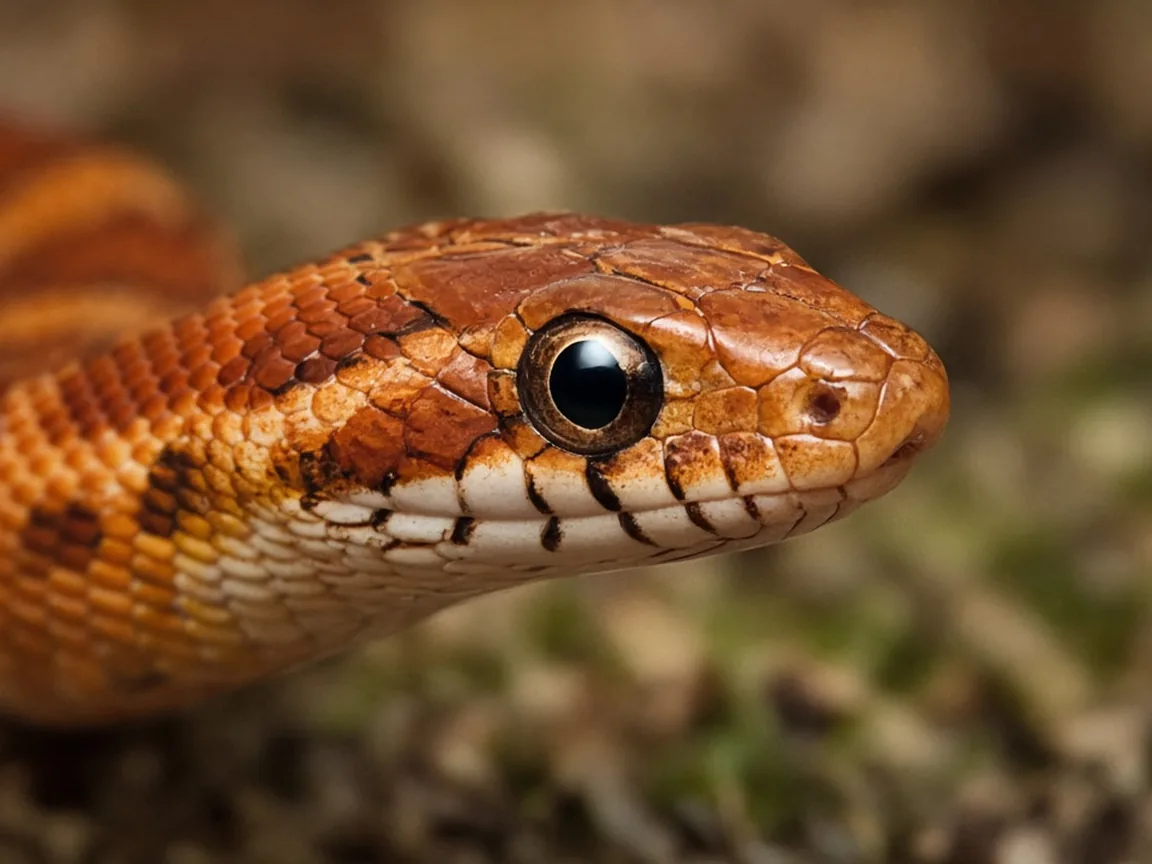
The San Diego Zoo's snake overview explains that snakes include egg-laying species and species that bear live young. Looking at examples such as corn snakes, boas and rattlesnakes makes the distinction easier to understand. It also shows why a single generalisation about all snakes often fails.
Which snakes lay eggs?
Egg-laying animals are described as oviparous. In an oviparous snake, the female deposits eggs, and the embryos continue developing outside her body. Eggs are usually laid somewhere that offers suitable protection and environmental conditions, although the details vary markedly among species.
The Smithsonian's eastern corn snake profile describes females laying eggs in locations such as decaying vegetation or old stumps. These sites can provide warmth and humidity needed for development. That does not mean every snake egg is buried or every mother chooses the same kind of nest.
Which snakes give birth to live babies?
Several snake groups produce live young. The Smithsonian describes eastern diamondback rattlesnakes giving birth to fully formed babies after the young develop within the mother. The San Diego Zoo's boa guide describes live birth as characteristic of many boas, while also noting exceptions within that group.
A baby born alive does not necessarily develop in exactly the same way as a mammalian fetus. Reptiles have several reproductive mechanisms. It is better to ask how the embryos receive nourishment and where eggs or membranes develop than to assume all live births work alike.
What is the difference between oviparous and viviparous?
Oviparous means the animal lays eggs that develop outside the mother's body. Viviparous means it bears live young. You may also encounter ovoviviparous, a term used for animals whose eggs are retained within the mother's body and hatch around the time of birth. The San Diego Zoo's snake account describes all three terms in its overview.
Biologists may use more precise categories when studying embryo nutrition and reproductive evolution, and sources sometimes differ in their terminology for particular reptiles. For a beginner, the practical distinction is external eggs versus babies emerging alive, with the important caution that internal developmental biology can differ.
Do pythons lay eggs?
Pythons are well-known egg-laying snakes. The San Diego Zoo contrasts egg-laying pythons with the live-bearing pattern of many boas. Some python species also show parental behaviour around their eggs, making the story more complex than a female simply leaving eggs behind and never returning.
Do not extrapolate an egg count or incubation period from one python species to all of them. The family's members vary substantially in size, habitat and reproductive biology. A reliable species profile is the appropriate source for exact clutch information.
Are all boas live-bearing?
No. General guides often say boas give birth to live young, but San Diego Zoo's boa profile notes egg-laying exceptions. That makes boas a useful example of why even familiar animal-family rules need qualification.
The name 'boa' is used in different ways in everyday conversation, and popular names do not always correspond neatly to scientific groupings. If you are researching a particular pet or wild snake, look up its scientific name before relying on a general care or reproduction claim.
Do venomous snakes lay eggs or give live birth?
There is no simple division between venomous and nonvenomous snakes. The eastern diamondback rattlesnake, a venomous species, gives birth to live young according to the Smithsonian. Other venomous snake species have different reproductive strategies. Venom is associated with feeding and defence, not a universal method of reproduction.
Never try to identify whether a wild snake is venomous by looking for eggs or babies. A snake with young may be particularly vulnerable to disturbance, and guessing based on reproduction does not make handling safe. Observe from a distance and follow local wildlife guidance.
Where do snake eggs develop?
For egg-layers, the embryos develop within eggs after those eggs have been deposited, using resources supplied during egg formation. Temperature and moisture can influence successful development. The corn snake example shows how a sheltered location can provide an appropriate environment without the sort of elaborate constructed nest familiar from some birds.
For live-bearing snakes, development takes place within the female. The exact biological pathway depends on the species. This diversity is one reason reproductive biology is a substantial research subject rather than a simple two-column checklist.
Do snake mothers take care of their young?
Parental care varies. Some egg-layers remain with or guard eggs, while others leave after laying. In live-bearing species, young emerge capable of independent movement, but species-specific behaviour still matters. It would be inaccurate to say that all snakes abandon eggs or that all live-born snakes receive prolonged maternal care.
For wildlife watchers, the safest approach is to avoid disturbing an apparent nest or newborn animals. If a snake has laid eggs near a home, contact a qualified local wildlife professional rather than moving them yourself. Handling eggs can damage developing embryos, and adult species identification is not always straightforward.
FAQ
Do all snakes lay eggs?
No. Some give birth to live young.
Do rattlesnakes lay eggs?
The eastern diamondback rattlesnake gives birth to live young, as described by the Smithsonian.
Do corn snakes lay eggs?
Yes. The Smithsonian documents egg laying in eastern corn snakes.
Are boas and pythons the same?
No. Their reproductive patterns also differ, although there are exceptions within boas.
Can you tell whether a snake is venomous from how it reproduces?
No. Reproduction is not a safe venom-identification method.
Explore more: snake anatomy, snake species guide, pet snake basics, how do egg-eating snakes eat eggs?, snake safety
Sources
Cite this page
APA: SnakeWise. (2026, November 23). Do Snakes Lay Eggs or Give Live Birth?. SnakeWise. https://snakewise.org/blog/do-snakes-lay-eggs-or-give-live-birth.html
MLA: "Do Snakes Lay Eggs or Give Live Birth?." SnakeWise, 23 Nov. 2026, snakewise.org/blog/do-snakes-lay-eggs-or-give-live-birth.html.
Chicago: SnakeWise. "Do Snakes Lay Eggs or Give Live Birth?." SnakeWise. November 23, 2026. https://snakewise.org/blog/do-snakes-lay-eggs-or-give-live-birth.html.